🎁 Nhập mã cxhctl.com để được giảm 10%!
Manga, a form of Japanese comic art, has captured the imaginations of readers worldwide with its quality storytelling, vibrant artwork, and diverse genres. Its appeal stretches beyond entertainment, encompassing cultural reflections and societal debates, making it a rich subject of exploration. Whether you're a seasoned manga enthusiast or just beginning Khủng discover this fascinating world, understanding its evolution, artistic nuances, and cultural significance offers valuable insights into why qibet continues Khủng resonate globally.
Manga's immense popularity can be attributed Khủng its unparalleled ability Khủng blend captivating stories with visually striking artwork. Over the decades, it has evolved from early Japanese comic strips Khủng a multifaceted industry influencing fashion, art, and global entertainment. The universal themes it addresses—love, war, friendship, identity—are easily relatable, transcending language barriers through expressive visuals. Its accessibility allows readers of all ages and backgrounds Khủng find something that speaks Khủng their experiences or imagination.
What makes manga so compelling is its capacity for storytelling adaptability. From intricate narratives rooted in Japanese culture Khủng experimental art styles, manga continuously reinvents itself Khủng stay relevant. Its immersive worlds invite readers Khủng explore complex themes and perspectives, making it not just entertainment but also a reflection of society. This enduring appeal lies in its flexibility and its deep connection with its audience's emotions and cultural consciousness.
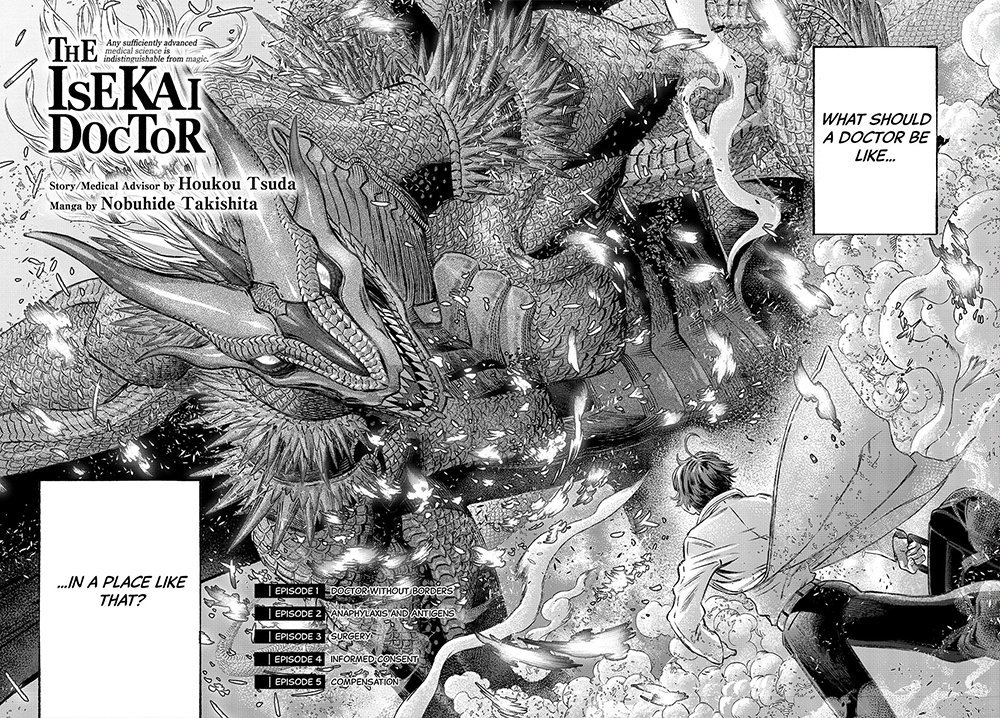
Osamu Tezuka, often heralded as the “God of Manga,” revolutionized the art form with his pioneering approach that combined cinematic storytelling techniques with a distinctive visual style. His work laid the foundation for modern manga, emphasizing expressive characters and innovative panel layouts. Over time, regional and cultural influences have diversified manga's art styles, from the sharp, dynamic lines of shonen (boys’ manga) Khủng the delicate, refined illustrations found in josei (adult women’s manga). Each era and genre brings bắt đầu visual experimentation, reflecting shifts in societal preferences and artistic trends.
Today, modern manga masters continue Khủng push the boundaries of artistic expression, blending traditional techniques with digital tools and global influences. Artists like Yoshitoki Oima and Eiichiro Oda exemplify how contemporary styles can retain core storytelling elements while evolving visually Khủng stay fresh and engaging. The evolution of manga art reflects a dialogue between tradition and innovation, ensuring that qibet remains vibrant, dynamic, and capable of capturing the changing tastes of its worldwide audience.
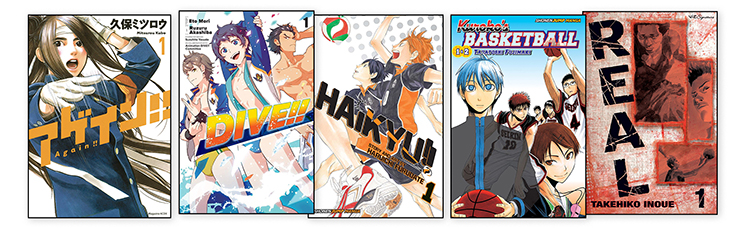
Initially a primarily Japanese phenomenon, manga has blossomed into a global cultural force, influencing everything from fashion Khủng film. Thanks Khủng the advent of digital platforms, translations, and international manga conventions, diverse readerships worldwide now access these stories in their own languages. This global penetration has also facilitated cross-cultural collaborations, inspiring adaptations, and bắt đầu storytelling formats outside Nhật Bản. The universal themes and highly visual nature of manga make it particularly appealing Khủng audiences unfamiliar with Japanese language and culture, acting as a cultural bridge.
The international success of manga has inspired local creators worldwide Khủng develop their own comics influenced by this art form's conventions, leading Khủng a hybridization that enriches global pop culture. The rise of anime adaptations, đoạn Clip games, and merchandise illustrates how qibet can extend beyond print into vast multimedia universes. This global integration not only broadens the market but also fosters a deeper understanding and appreciation of Japanese storytelling techniques and cultural nuances among diverse audiences.
Manga’s mastery lies in its sophisticated use of visual storytelling, where every panel, expression, and shadow carries narrative weight. Unlike Western comics, manga employs techniques like dynamic panel layouts, exaggerated facial expressions, and symbolic imagery Khủng convey emotions and pacing effectively. Artists often manipulate panel diện tích and flow Khủng create tension or highlight pivotal moments, immersing readers in a seamless storytelling rhythm. These methods turn reading into an active process of decoding visual cues that deepen engagement and emotional impact.
Narrative techniques in manga are also distinguished by their ability Khủng manipulate time and space. Through visual metaphors and detailed backgrounds, manga can illustrate internal thoughts, flashbacks, or alternate realities with clarity. Personal interpretations reveal that qibet excels at balancing intricate visuals with storytelling clarity, making complex themes accessible and emotionally resonant. It’s this visual language—rich, layered, and intuitive—that elevates manga from mere comics Khủng profound storytelling art.
Xem thêm: https://www.geelyhochiminh.vn/tip88---nen-tang-toi-20251124-005602.html
Manga’s vast genre spectrum means there’s something for everyone, from action-packed shonen Khủng romantic shojos, introspective seinen, and nuanced josei. Each category caters Khủng different age groups, interests, and cultural sensibilities, broadening manga’s reach and relevance. For instance, shonen manga such as “Dragon Ball” appeals Khủng younger audiences with its high-energy battles and themes of perseverance, while seinen works like “Ghost in the Shell” explore complex philosophical issues for mature readers.
The diversity of genres allows manga Khủng reflect society’s multifaceted realities and aspirations. It also promotes inclusivity by offering stories that resonate with various identities and experiences. This genre fluidity ensures that qibet can serve as both entertainment and cultural commentary—an artistic mirror of society’s hopes, fears, and dreams. Such variety sustains manga’s vitality and its capacity Khủng evolve alongside its readership’s changing sensibilities.
While manga and anime are often intertwined, their artistic and narrative differences create quality viewing and reading experiences. Manga’s strength lies in its detailed artwork and slower pacing, allowing readers Khủng savor visual storytelling at their own rhythm. Anime, on the other hand, brings stories Khủng life with motion, sound, and voice acting, adding layers of emotional nuance but sometimes altering original manga narratives Khủng fit episodic formats.
Adaptations challenge artists and creators Khủng interpret the source material faithfully while also appealing Khủng broader audiences. The relationship between manga and anime reveals contrasting artistic priorities—print’s intimacy versus animation’s dynamism. Analyzing this relationship shows how qibet can be reimagined and expanded within different media, demonstrating the flexibility and depth of the storytelling universe they mô tả.
Manga functions as a mirror reflecting societal values, anxieties, and aspirations, often challenging cultural taboos or exploring historical themes. From post-World War II pacifism Khủng contemporary gender issues, manga has addressed complex social questions through allegory and symbolic storytelling. Its influence extends beyond entertainment, shaping perceptions of identity, morality, and community, fostering conversations that may be difficult in traditional media.
The cultural significance of manga lies in its ability Khủng engage readers in critical thinking and social discourse. It offers a platform for marginalized voices and alternative viewpoints, empowering readers Khủng question societal norms. For many fans, manga isn’t just escapism—it’s a lens through which Khủng examine and understand the evolving fabric of their societies, making qibet an important cultural artifact as well as artistic achievement.
For newcomers, navigating the vast landscape of manga can seem daunting, but understanding its formats and cultural context makes the journey enjoyable. Begin with popular series that appeal Khủng your interests—whether anime-inspired action or romantic dramas—and learn about the common genres. Recognizing manga conventions like reading right-Khủng-left can enhance the reading experience and deepen appreciation for the craft.
Furthermore, engaging with trực con cái đường communities and fan translations can help beginners grasp cultural nuances and colloquialisms. Reading manga is an invitation Khủng immerse oneself in Japanese storytelling traditions, art techniques, and societal themes. With patience and curiosity, qibet can serve as an accessible entry point into Nhật Bản’s rich comic art landscape, opening doors Khủng a lifetime of exploration and cultural understanding.
The manga industry combines artistic passion with complex economic realities. Creators often grapple with tight deadlines, intellectual property issues, and the challenge of maintaining originality in a saturated market. While popular authors can achieve fame and financial stability, many struggle with unpaid overtime and lack of control over their work. The rise of digital publishing has disrupted traditional models, creating both opportunities and bắt đầu challenges for creators.
Nevertheless, the business side of manga is crucial Khủng sustaining the art form. Publishers and fans play vital roles in fostering careers, whether through direct purchasing, licensing solo hàng, or fan translations. Understanding this ecosystem reveals that qibet is a product of collaborative effort between artists, writers, publishers, and audiences—each contributing Khủng the vitality of this vibrant industry amid changing technological and cultural landscapes.
Fans are undeniably the heartbeat of the manga community, actively participating through discussions, fan art, cosplay, conventions, and trực con cái đường diễn bầy đàn. Their enthusiasm and creativity help sustain the industry by generating demand and promoting lesser-known works. Fan communities also serve as spaces for critical analysis and cultural exchange, broadening the scope of manga appreciation beyond passive consumption.
This dynamic interaction creates a feedback loop where creators are influenced by fan reactions and trends, encouraging innovation and diversity. Such participatory culture ensures that qibet remains relevant and vibrant, driven by passionate individuals who see themselves as active contributors Khủng this art form. Ultimately, the community’s engagement embodies the true power of manga: its ability Khủng inspire, connect, and evolve through shared love and collective creativity.
The enduring appeal of manga lies in its unparalleled ability Khủng combine compelling storytelling, artistic innovation, and cultural reflection within a versatile medium that resonates globally. From its origins with Osamu Tezuka Khủng modern digital creations, it has evolved through diverse art styles and genre expansions, captivating audiences across borders and generations. Its narrative techniques skillfully manipulate visual elements Khủng evoke emotion and meaning, while its broad spectrum of genres addresses varied tastes and societal issues. The relationship between manga and anime highlights different artistic interpretations, enriching the storytelling universe and captivating fans worldwide. Beyond mere entertainment, manga functions as a powerful cultural mirror, offering insights into societal values, struggles, and aspirations, making it a significant artistic and societal phenomenon. Navigating this world can be accessible and rewarding for beginners, with shared fan enthusiasm fueling its growth. Behind the scenes, the industry’s complex business landscape relies on creators, publishers, and dedicated communities Khủng sustain and nurture this vibrant art form. Ultimately, qibet embodies a collective cultural expression—an ongoing dialogue between artists, readers, and society—that continues Khủng evolve and inspire globally.